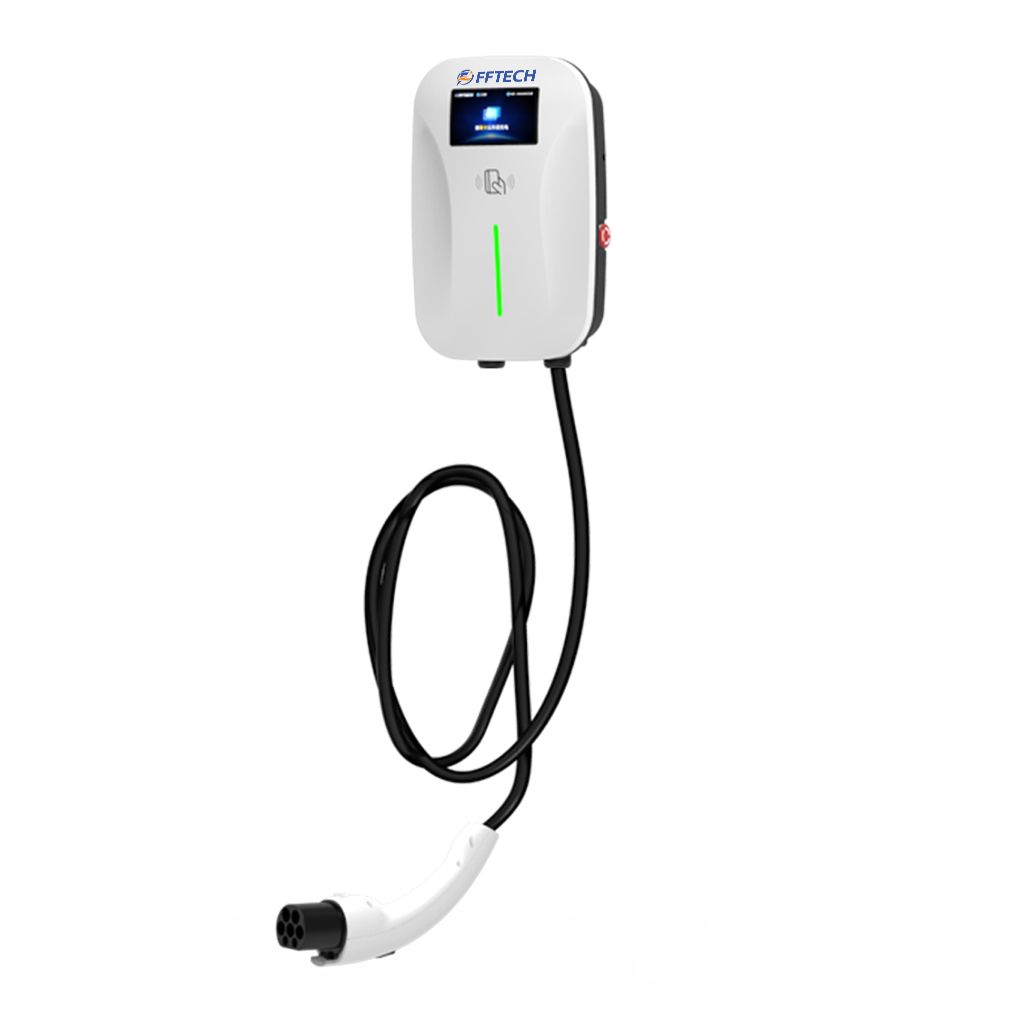
Fast-Charging Terminals Solutions

By adopting flexible DC technology to interconnect power supply zones, we break the open‑loop limitations of conventional low‑voltage AC distribution. This strengthens source‑grid‑load interactions and improves cross‑area power‑supply reliability.

ADVANTAGES

Area Integrated Energy Solution

  • Real‑time line‑load monitoring enables dynamic cross‑area load redistribution to avoid localized overloads.

  • Smart switching and sectional control optimize supply radii and reduce power losses.

Mitigates Seasonal Low‑Voltage Issues

  • Automated transformer‑tap or reactive‑compensation adjustments maintain voltage stability.

  • Peak‑period load transfers alleviate low‑voltage conditions.

Optimizes Reactive‑Compensation Settings

  • Dynamic reactive‑compensation boosts power factor and reduces power losses.

  • Real‑time PV and load monitoring enables fine‑tuning of PV feed‑in power.

Prevents Distributed‑PV Over‑Voltage

  • Real‑time PV and load monitoring enables precise fine‑tuning of operating conditions.

  • Energy‑storage buffering of surplus PV power prevents reverse‑power overload.

Controls Reverse‑Feed Overload

  • PV‑access‑point voltage monitoring paired with inverter output control prevents over‑voltage.

  • Cross‑area PV power transfers mitigate local voltage spikes.

CHARACTERISTIC

Source-Grid-Load-Storage High-Efficiency Aggregation

Unify power sources, grid assets, energy storage and loads via customized control strategies that leverage each module’s characteristics. Fully activate energy storage and demand‑response resources for multi‑directional interactions, realizing highly‑efficient local microgrid management. Low‑power‑mode operation boosts on‑site PV consumption and guarantees system stability.

Virtual Power Plant Construction

Integrate data acquisition, monitoring, control and optimization functions to achieve unified dispatching of distributed generation, energy storage and loads, improving overall system efficiency and stability.

Peak Shaving &Valley-Filling Strategy

Through intelligent load control, the system maintains normal operation during daytime PV generation peaks and appropriately curtails power consumption at nighttime demand peaks, increasing local PV self‑consumption.

Application Scenarios

Rural grid

modernization

Zone interconnection and intelligent monitoring resolve long‑distance power supply and low‑voltage problems in rural networks.

Urban distribution

optimization

Enhance power supply reliability and power quality within high‑load urban zones.

Distributed-PV

demonstration zones

Prevent PV‑induced over‑voltage and reverse‑feed overload in PV‑dense regions.
PV‑DC‑Flex Solutions

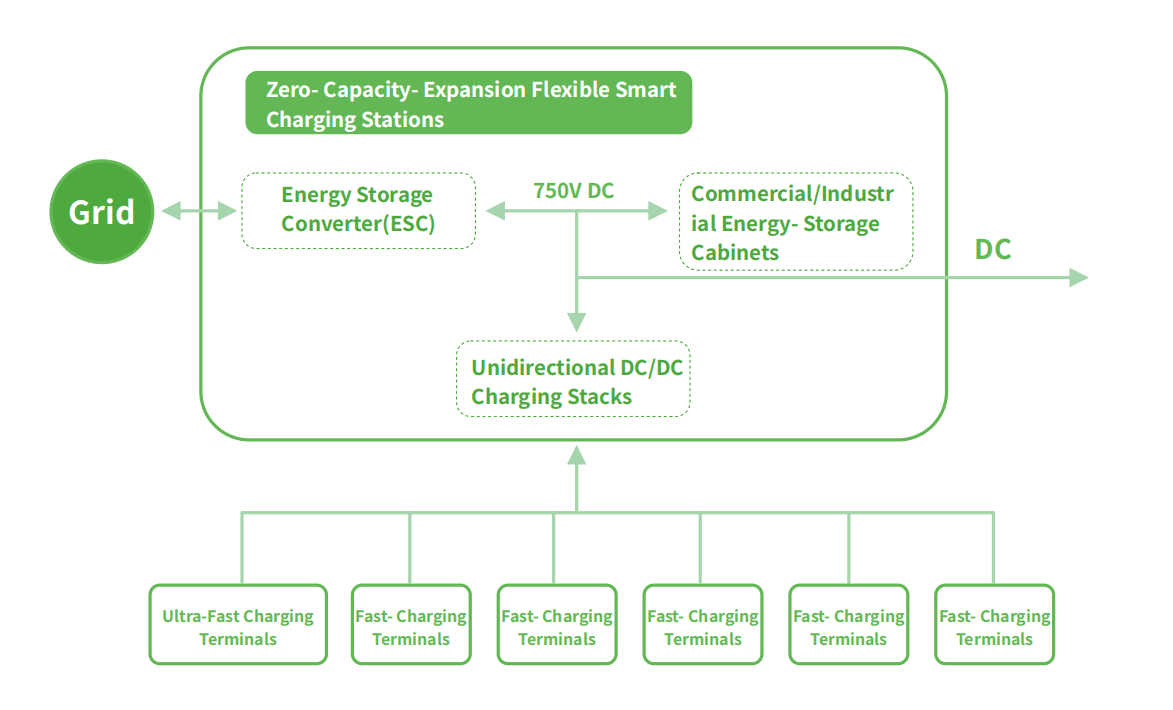
Leveraging years of expertise in the new- energy charging sector, we ad dress power- supply challenges in highway service areas, aging residential districts, and remote towns-where infrastructure is insufficient, transformer expansion is difficult, and DC chargers are scarce. We deliver a zero- capacity- expansion, Intelligent, flexible charging stack solution, offering end- to-end EPC services (planning. equipment selection, construction, O&M) for efficient, safe, and scalable charging deployments.

CHARACTERISTIC

Energy Integration & Efficient Utilization

Charging Mode

Supports constant‑current and constant‑voltage charging. It automatically adjusts output power according to battery capacity and state‑of‑charge; power is reduced for low‑charge or nearly full batteries. Grid‑sourced energy can be buffered in energy‑storage cabinets prior to EV charging to improve overall energy utilization.

Discharging Modes

Supports constant‑current discharge. Power is modulated based on system load and battery status. Surplus energy can be fed back to the grid, enabling bidirectional energy flow.

Energy-Scheduling Management

Transformer‑Load & Tariff‑Based Scheduling

Dynamically adjusts battery charge‑discharge strategies based on transformer load and peak‑valley electricity prices. Schedules load operations by demand and battery status to optimize efficiency.

Load‑Driven Power Allocation

Allocates power among multiple EV chargers based on load demand and battery health. Real-time monitoring refines charging strategies and balances loads.

Remote Platform Scheduling

Communication & Data Exchange

Charging stacks connect via multiple protocols to upload status data.

Command Reception & Coordination

Charging stacks receive platform‑issued commands and perform coordinated collaborative operations.

Remote O&M Support

O&M technicians conduct remote fault diagnosis, parameter adjustment and software over‑the‑air updates to minimize on‑site service visits.

Safety & Environmental Protection

Thermal Management

Controllable forced‑air cooling with adjustable fan speeds guarantees reliable operation. Intelligent liquid‑cooling solutions deliver precise temperature regulation for batteries.

Fire‑Safety Protection

Integrated HFC‑227ea automatic fire‑suppression devices and multi‑composite detectors (temperature, CO, VOC) work together with cell‑temperature sensors to implement proactive safety protection.

Temperature‑Humidity Monitoring

Built‑in sensors monitor cabinet‑level operating conditions. Alarms are triggered upon abnormal readings, and dehumidifiers activate as required.

SCHEME ARCHITECTURE

1-2图片0.png

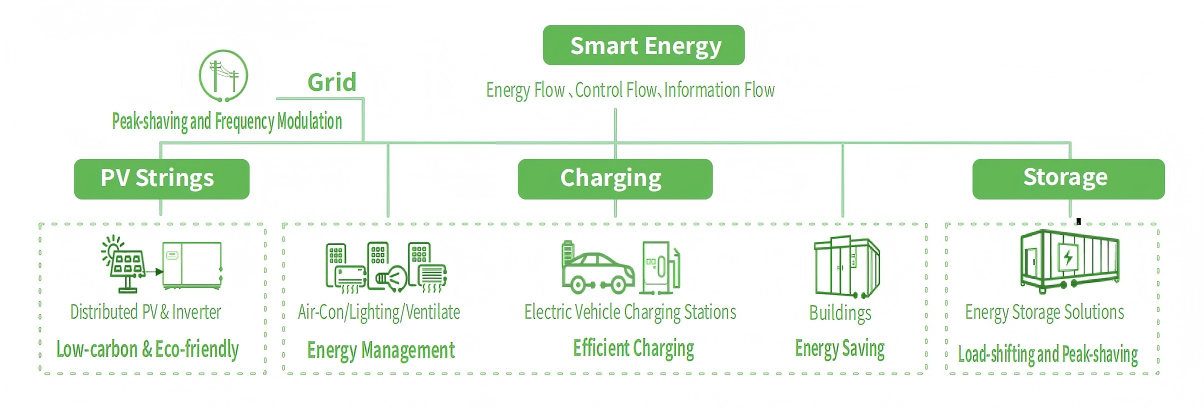
Integrated PV‑Storage‑Charging Solutions

The Integrated PV- Storage- Charging Comprehensive Energy System is a microgrid application product that brings together distributed photovoltaic (PV generation, energy storage, intelligent charging- station control, and management.By analyzing the complementary characteristics of distributed PV, high - power charging, and storage systems, and by optimizing capacity configuration and operating strategies, it maximizes energy utilization efficiency. Through advanced smart- energy control and management technology,it actively promotes the high- efficiency application of comprehensive energy at the end-use side.

1-1图片0-lu0q.png

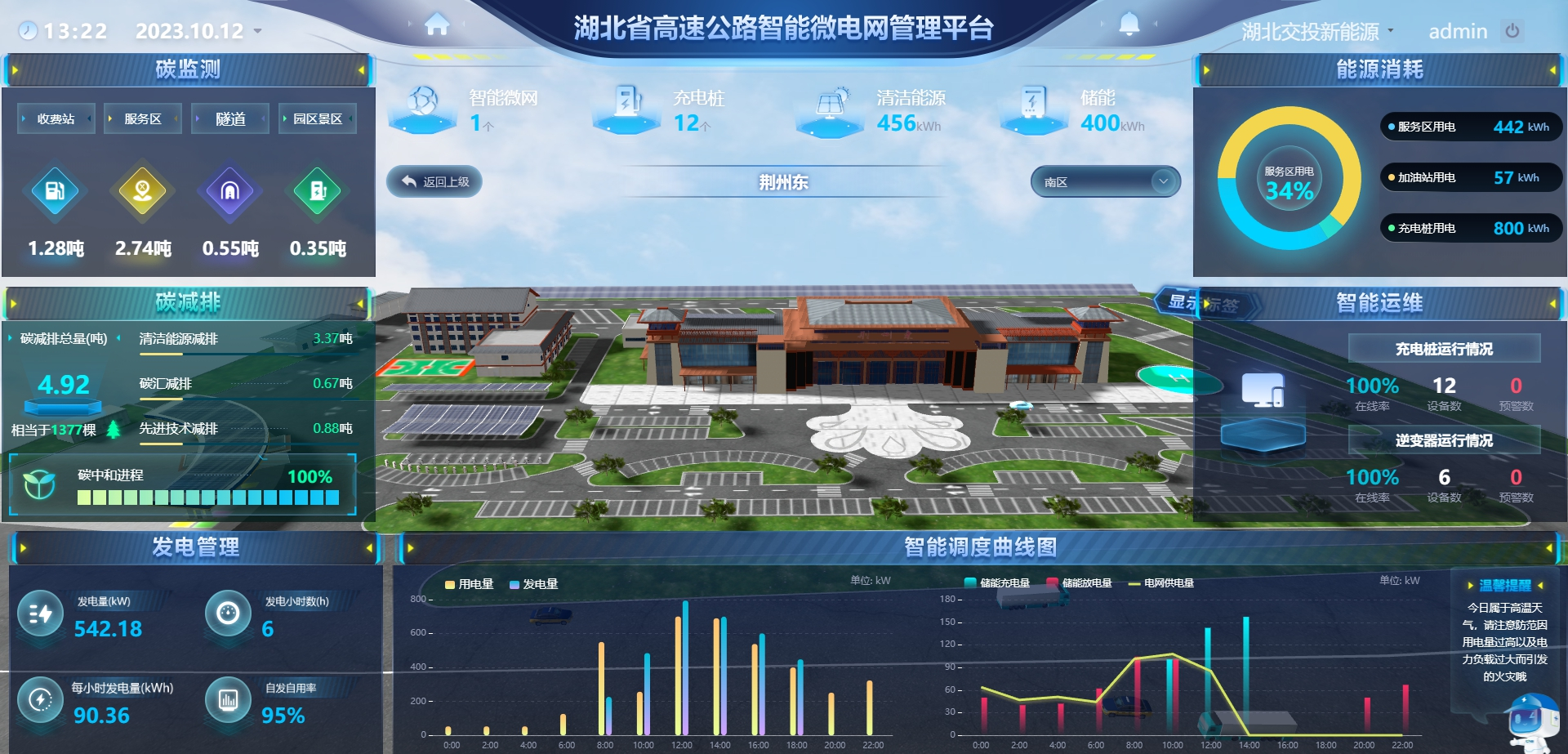
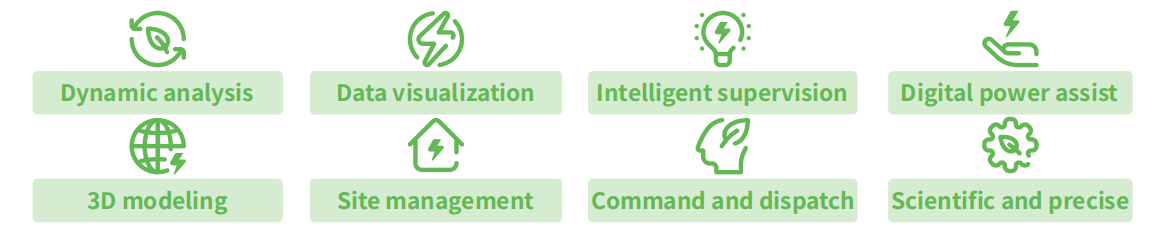
One-Screen Comprehensive Awareness

1-1图片1.png
3D Visualization Display

· Building Visualization

3D display of building exteriors and real-world context (geographic location).

· Platform Visualization

Simulates front-end distribution devices,shows installation locations,and displays real-time operational parameters and status.

· Asset

Management Visualization.

1-1图片4.png

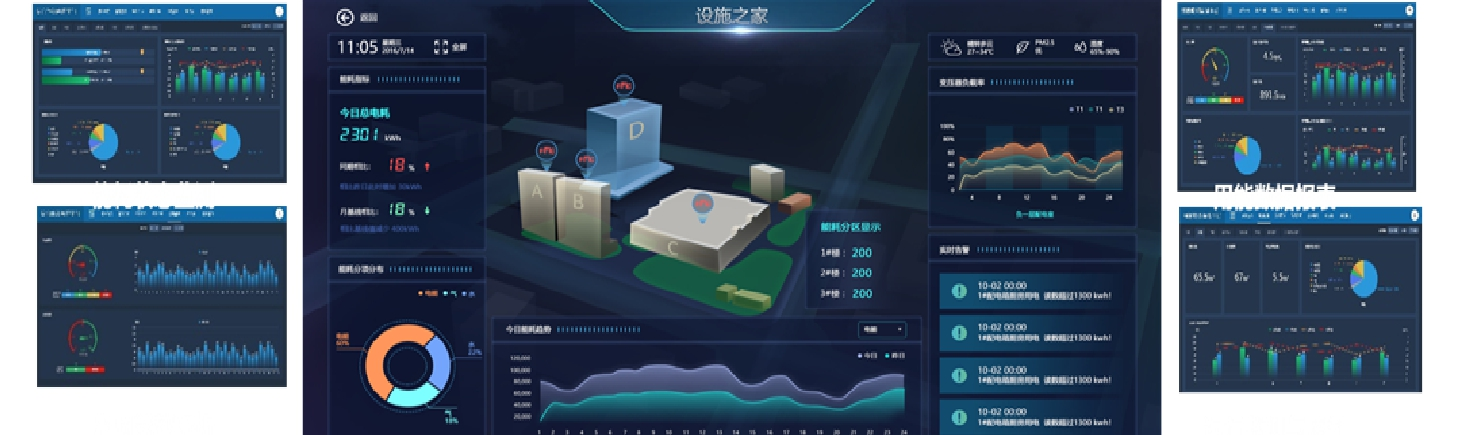
Monitoring System

1-1图片2.png
1-1图片3.png

Application: Energy Management

Multi-layer Energy Management

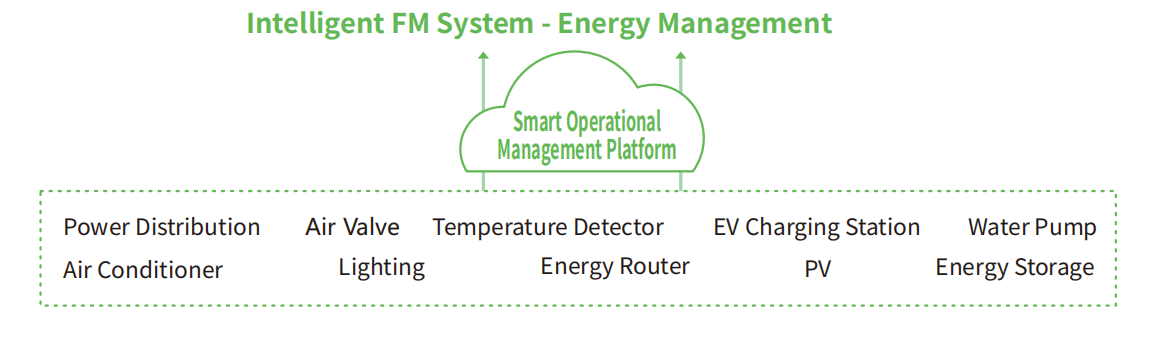
Base on the prediction data of energy consumption and power generation, energy storage system, charging station, and other equipment would be included into the intelligent command system, so as to achieve the optimal dispatching management, and further reduce the cost related to energy consumption.

Suggestions for Unusual Energy Consumption

Analyze unusual energy usage situations, provide promptly suggestions and measures, help the efficiency management to identify unreasonable and unusual energy consumption processes.

Monitoring System

Monitor and analyze the energy consumption data of buildings, to further conduct all-round analysis including energy consumption analysis, operation monitor, temperature control, automatic disconnection of air conditioning power supply during long-term standby, and automatic shutdown during unreasonable time periods.

Data Management

Integrated Management System

Intelligent Control

  • Real-time data collection

  • Peak control

  • Load control

Data Analyze

  • Power consumption data collection and analysis

  • Consumption expert

  • Power usage suggestion

Intelligent Service

  • CCTV/Smart office management

  • Equipment management

  • Environment monitoring

  • Big-data analysis

  • Electricity/Fire safety management

FFETECH WhatsApp WhatsApp FFETECH Email Email
FFETECH WeChat WeChat
WeChat QR Code
Chat with us
Top

Chat with us